Address
304 North Cardinal St.
Dorchester Center, MA 02124
Work Hours
Monday to Friday: 7AM - 7PM
Weekend: 10AM - 5PM
Portable internal mechanical hard drive compatible with desktop computers.
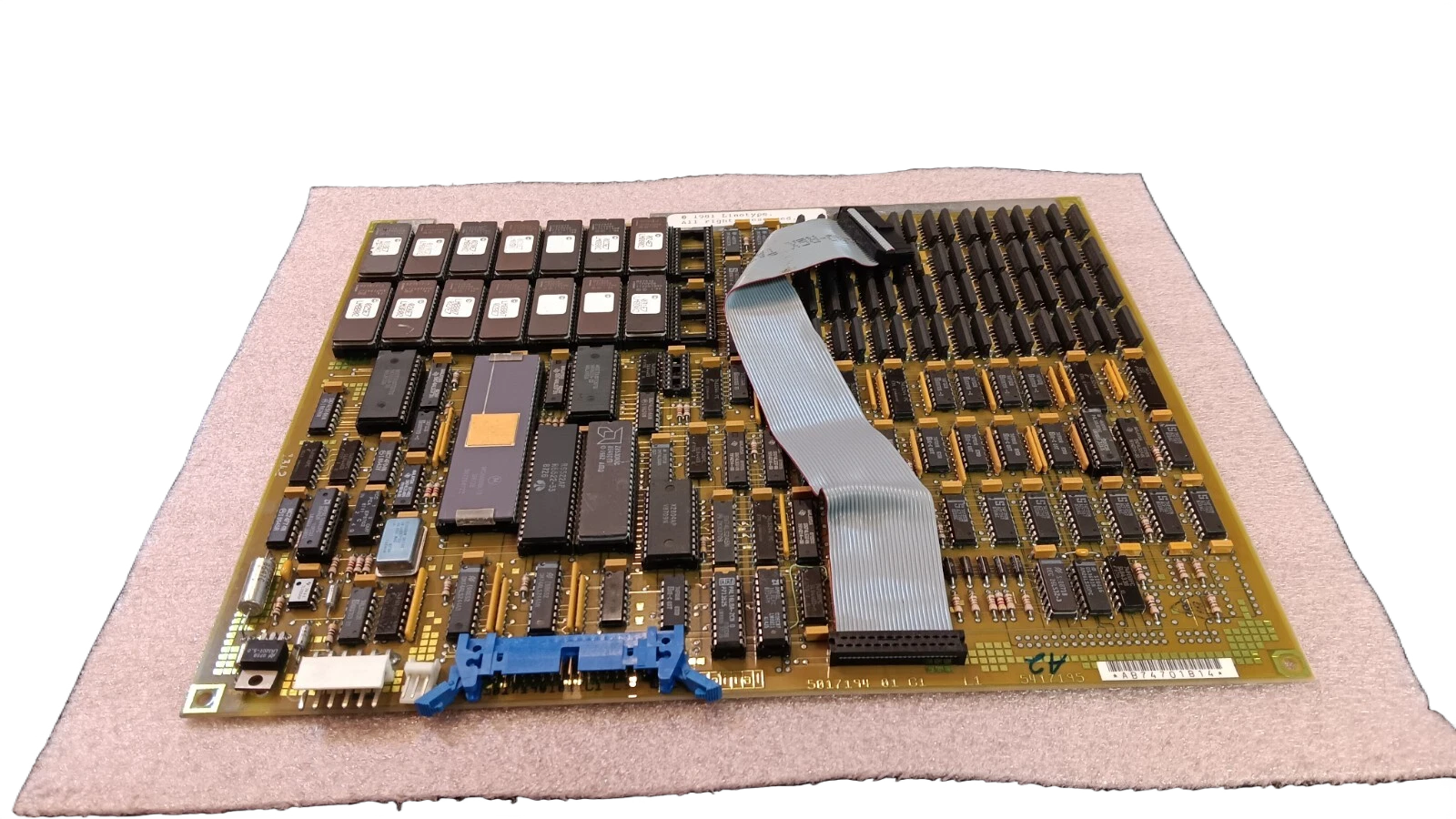
Vintage 1980s microprocessor board featuring multiple EPROM chips, integrated circuits, and a ribbon connector used for data communication and system control.

Industrial backplane connector module dated May 1989, featuring multiple parallel bus slots and jumper wiring, used for connecting.
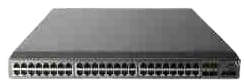
This 32-port unit, designed for desktop systems, offers reliable connectivity and performance, proudly manufactured by DEC.
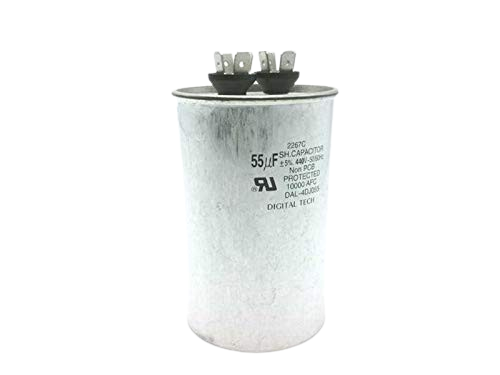
This round 60-microfarad capacitor from DEC is built for reliable performance, operating at up to 400 volts.
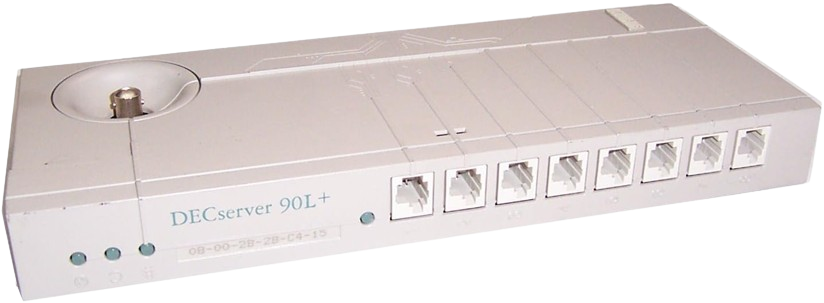
The DEC DECserver 90L+ is an 8-port MMJ serial server for managing multiple connected devices efficiently.
Digital Equipment Corporation (DEC) is founded by Ken Olsen and Harlan Anderson in Maynard, Massachusetts.
The company delivers its first computer, the PDP-1, marking the start of a new era in interactive computing.
Launch of the PDP-8, widely regarded as the world’s first successful minicomputer.
Introduction of the VAX (Virtual Address eXtension) series, a 32-bit architecture that becomes DEC’s flagship product line.
DEC registers the dec.com domain, becoming one of the earliest major technology companies to establish an online presence.
Founder Ken Olsen steps down as CEO amid declining sales and growing competition from microcomputers.
Compaq acquires Digital Equipment Corporation, marking the end of DEC as an independent company.
Digital Equipment Corporation changed computing forever. From the 1960s through the 1990s, DEC machines powered universities, research labs, and businesses when computers were still room-sized mysteries to most people. Today, we keep that pioneering spirit alive by sourcing, restoring, and supplying authentic DEC components to collectors, museums, and enthusiasts who refuse to let this chapter of computing history fade away.
We started this venture because we noticed something troubling: perfectly good PDP and VAX components gathering dust in warehouses, headed for scrap yards, or sitting forgotten in storage units. These aren’t just old circuit boards and terminals — they’re pieces of engineering art that represent decades of innovation. Every QBUS card, every VT terminal, every RL02 disk pack tells a story of the engineers who built the digital age from the ground up. We track down these parts, test them when possible, and connect them with people who understand their true value.
This isn’t nostalgia for nostalgia’s sake. The elegant simplicity of DEC’s architecture still teaches us lessons about robust system design. Universities use these machines to show students how computers actually work beneath all the modern abstraction layers. Hobbyists keep critical systems running that modern hardware simply can’t replace. And sometimes, you just need that one specific board to bring a piece of history back to life. We’re here for all of it — because someone needs to be the bridge between DEC’s remarkable past and the people keeping it relevant today.
Receive alerts when rare DEC components arrive, plus restoration tips and technical documentation releases.
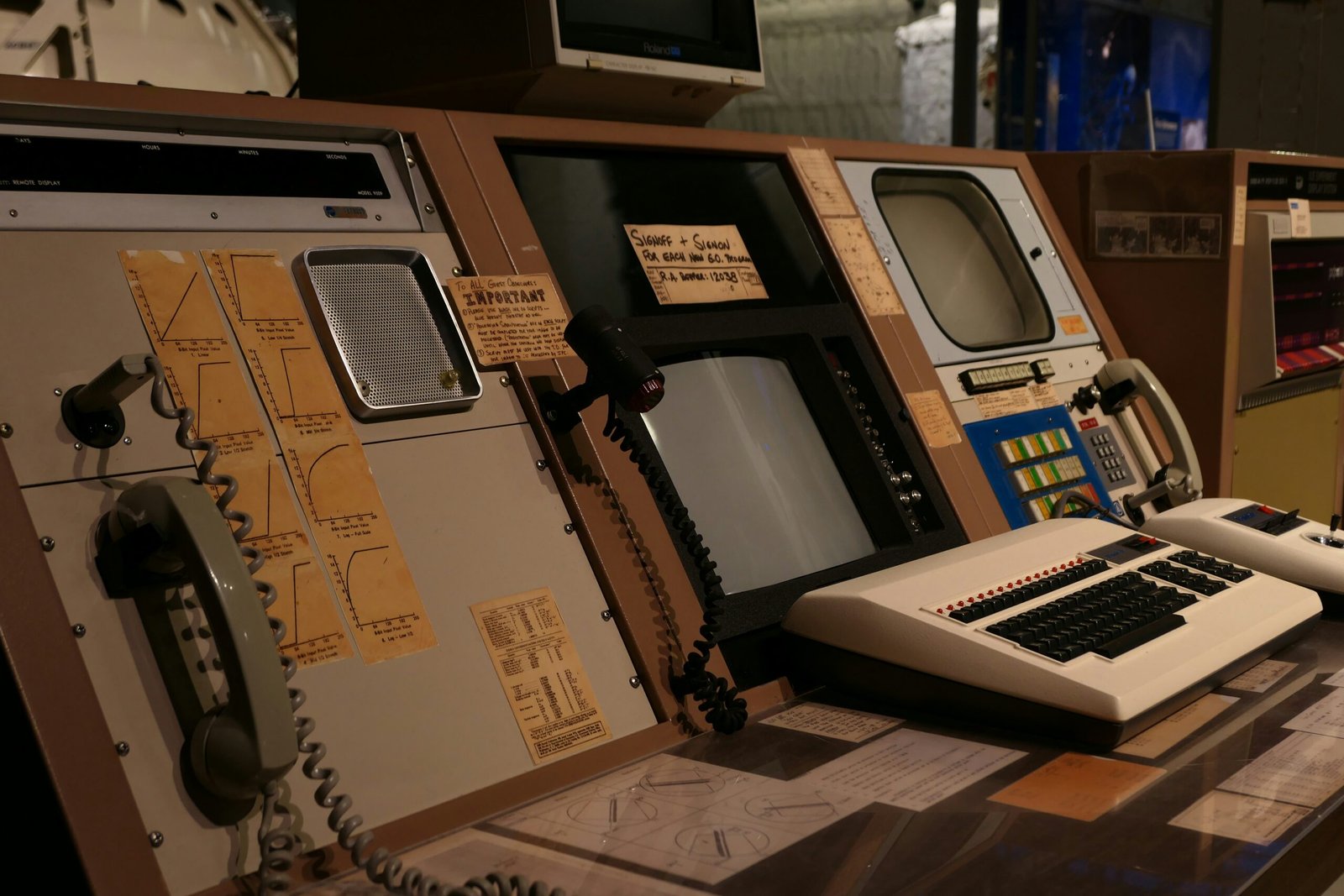
Keep your vintage Digital Equipment Corporation systems running with components sourced from specialists who understand what these machines mean to computing history.




Michael Chen
Systems Architect
“Still running our VAX cluster for critical legacy processes—30 years and counting. The documentation alone saved us countless hours during our last migration. DEC understood that reliability meant decades, not quarters.”
Patricia Morrison
Former IT Director
“The PDP-11 we purchased in ’78 trained three generations of our computer science students. Even today, former students tell me it was the most honest introduction to computing they ever had.”
David Thompson
Data Center Manager
“Our Alpha servers handled workloads that would’ve required three times the hardware from competitors. The 64-bit architecture was so far ahead, we’re still using optimization techniques we learned from those systems.”
Major credit cards, debit cards, and purchase orders are accepted. Corporate accounts can be established for organizations needing regular billing arrangements. Payment terms vary based on order size and customer history.
Returns are accepted within 30 days of delivery for most standard items in original condition. Custom-configured systems have different return policies that should be reviewed before ordering. A restocking fee may apply to certain products.
All products come with 90 days of complimentary technical support via phone and email. Extended support plans are available at the time of purchase or within 30 days of delivery. Support hours are Monday through Friday, 8 AM to 8 PM Eastern Time.
Standard shipping takes 5-7 business days for most items. Express options are available for 2-3 day delivery. Large or custom-configured systems may require additional processing time before shipment. International orders generally arrive within 10-14 business days.
Standard hardware includes a one-year manufacturer’s warranty covering defects in materials and workmanship. Extended warranty options of up to five years can be purchased. Warranty terms vary by product type and should be reviewed for specific coverage details.
Volume licensing options are available for organizations needing multiple software installations. License management tools help track usage and compliance. Pricing tiers are based on the number of users, with discounts starting at 10 licenses.